Key Advantages of Lip Balm: Your Guide to Soft, Hydrated, and Healthy Lips
Maintaining lip health requires the essential role of lip balm. It delivers moisture, defends against severe environmental conditions, and boosts overall appearance. With a variety of formulations available, selecting the right lip balm can greatly impact comfort and texture. Comprehending how to pick and apply lip balm efficiently can generate a significant difference. The subsequent sections will analyze these key factors and their consequences for reaching beautifully soft and healthy lips.
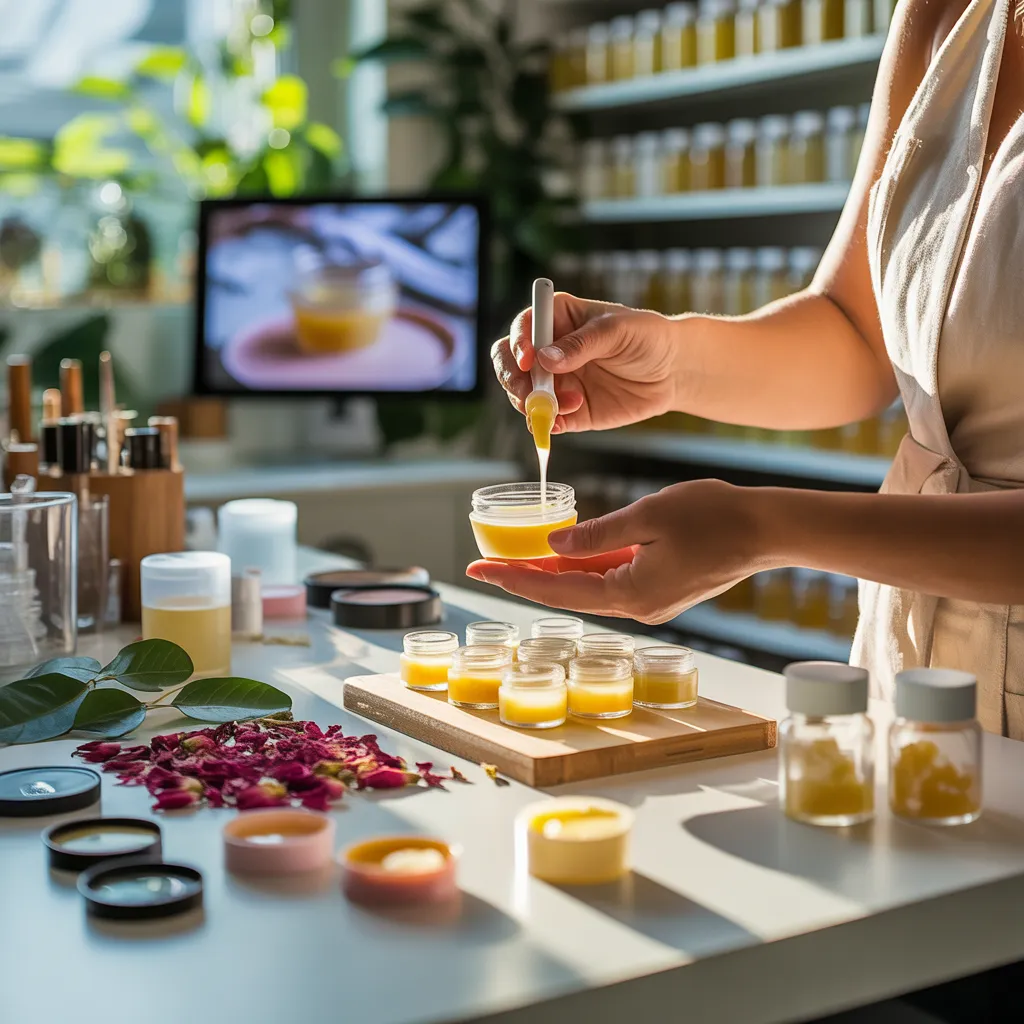
Why Lip Balm Is Vital for Lip Care
While many individuals may overlook the value of lip care, lip balm serves a vital role in preserving healthy lips. Lips are particularly sensitive to environmental elements, such as wind, sun, and cold temperatures, which can cause dryness and chapping. Lip balm acts as a protective barrier, shielding the delicate skin of the lips from these harsh conditions.
Moreover, many lip balms feature beneficial ingredients like beeswax, shea butter, and essential oils, which help to comfort and repair damaged skin. Frequent application can avoid the lips from becoming dry or irritated, promoting overall lip health. In addition, lip balm can improve the appearance of lips, offering a soft and smooth texture while adding a subtle shine. By including lip balm into a daily routine, individuals can make certain their lips remain hydrated and shielded, ultimately contributing to their overall skincare regimen.
The Way Lip Balm Keeps Your Lips Moisturized
Lip balm functions as an essential tool for sustaining lip hydration by sealing in moisture and avoiding water loss. The formulation generally includes occlusives, emollients, and humectants that work together to sustain a balanced moisture level. Emollients such as shea butter or coconut oil create a protective barrier, softening the skin and making it more flexible. Occlusives, such as beeswax, form a defensive layer that retains hydration, while humectants, such as glycerin, pull moisture from the surrounding environment to the lips.
Consistent application of lip balm works against dryness and chapping, particularly in harsh climates or dry conditions. By frequently using lip balm, individuals can guarantee their lips stay supple and hydrated, lowering the risk of irritation and discomfort. This easy yet beneficial product is important for encouraging overall lip health and sustaining a comfortable, soft texture throughout the day.
The Way Lip Balm Guards Your Lips Against the Elements
Shielding lips from environmental stressors is crucial for maintaining their health, and lip balm fulfills a crucial role in this defense. Exposure to harsh weather conditions such as wind, sun, and cold can result in chapped and cracked lips. Lip balm serves as a barrier, shielding the delicate skin of the lips from these elements. Its formulation often includes protective ingredients that create a seal, preventing moisture loss and minimizing the impact of external aggressors.
Moreover, numerous lip balms include SPF, which aids in protect against UV radiation, a major factor in skin damage. By applying lip balm regularly, individuals can preserve their lips' softness and reduce the risk of irritation brought about by environmental factors. Finally, integrating lip balm into a daily routine not only improves comfort but also plays a major role to the general health and vitality of the lips, ensuring they remain nourished and protected across various conditions.
Elements to Keep in Mind When Picking a Lip Balm
What factors should be considered when choosing a lip balm? The first consideration is the ingredients. Choosing natural moisturizers such as shea butter, coconut oil, or beeswax can provide effective hydration. Additionally, it helpful information is important to look for the presence of SPF to protect against sun damage.
Yet another aspect is the formulation. Some people may favor a denser balm for superior moisture, while others might want a less heavy formula for daily use. Those with sensitive skin should seek out fragrance-free options to reduce irritation.
Moreover, packaging influences ease of use and cleanliness. Tube or stick forms may be more suitable for mobile application, while containers allow for more convenient access to bigger amounts.
Lastly, individual preferences, such as flavor or scent, can impact the choice. Combining effectiveness with individual preferences ensures that the picked lip balm meets both practical and personal needs.
Effective Tips for Applying Lip Balm
Selecting the right lip balm is only the first step of keeping healthy lips; how one applies it can significantly influence its effectiveness. To enhance benefits, users should start with clean, dry lips. Gently scrubbing the lips gently before application can remove dead skin, permitting for better absorption of the balm. It's suggested to use a small amount, applying it in a thin layer that evenly covers the entire lip surface.
For optimal moisture, reapplication is vital, specifically in dry or blustery conditions. Users should also contemplate applying lip balm prior to exposure to extreme elements, such as sun or cold weather, to create a defensive barrier. Furthermore, using lip balm at bedtime can boost overnight hydration. In conclusion, maintaining a consistent routine can assure lips remain healthy, soft, and supple. Implementing these practices will help individuals maximize the hydrating and protective benefits of their chosen lip balm.
Common Questions
Can Lip Balm Expire or Become Less Effective Over Time?
Indeed, lip balm has an expiration date and can become less effective over time. Ingredients may degrade, reducing moisture retention and protective qualities. Consumers should verify expiration dates and replace items to ensure optimal lip care and protection.
Is Daily Lip Balm Use Safe?
Utilizing lip balm daily is usually safe for nearly all individuals. Consistent application can aid in maintaining lip moisture and avoid dryness, though those with sensitive skin should monitor for any negative reactions or irritation.
Are There Natural Alternatives to Commercial Lip Balms?
Natural options exist as alternatives to commercial lip balms. Options include coconut oil, shea butter, beeswax, and essential oils. These substances supply nourishment and safeguarding free from artificial additives, appealing to those pursuing natural skincare options.
Will Lip Balm Result in Dependency or Increase Chapped Lips?
Lip balm can produce a sense of dependency; frequent use may lead to lowered natural moisture production. Excessive dependence on these products may worsen dryness, conflicting with the intended effect of maintaining lip hydration.
How Frequently Do I Need to Reapply Lip Balm Throughout the Day?
Applying lip balm again usually happens every two to four hours, based on environmental factors and personal requirements. Consistent use helps keep hydration and protection, particularly in dry or harsh conditions that may affect lip health.